

Corporate, Environmental,
Ethical, and Social Sustainability
Photovoltaic System
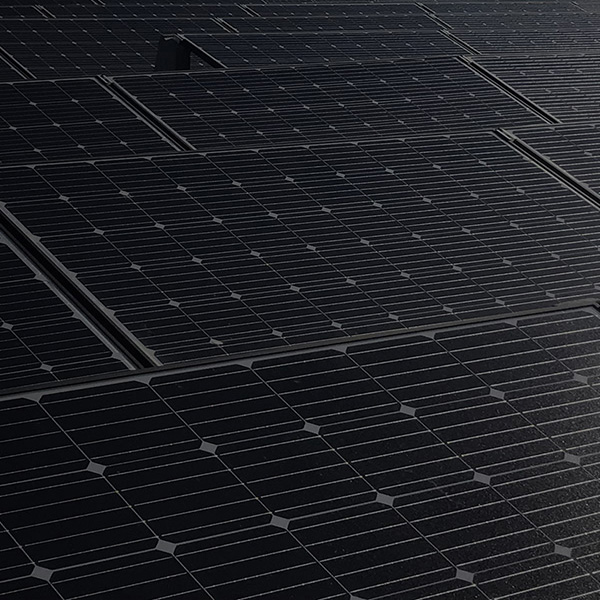
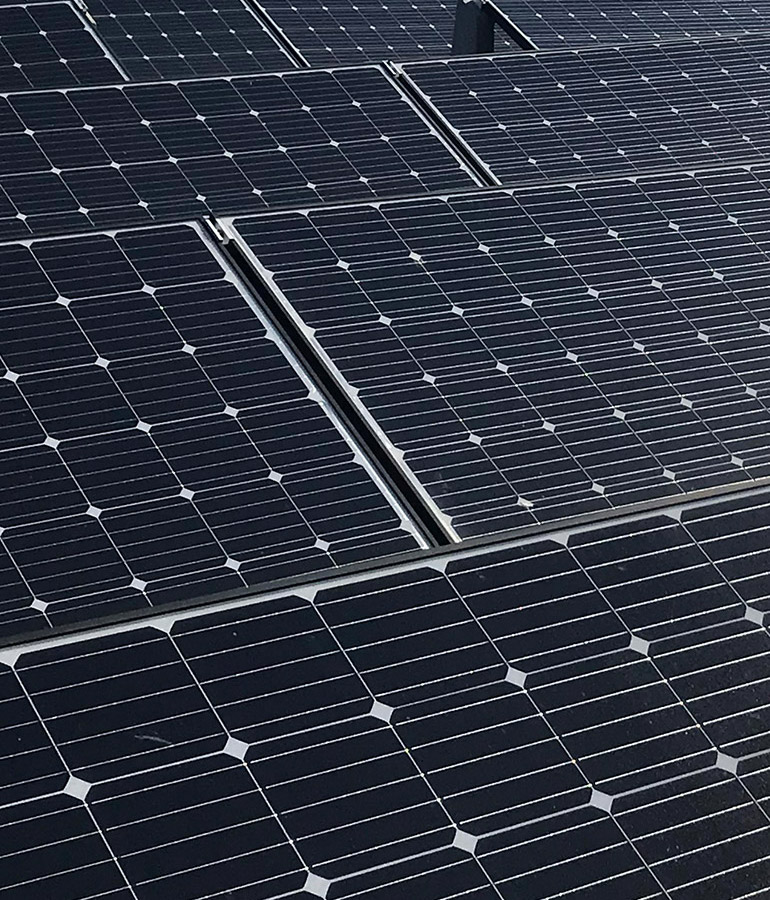
We invest in an energy production plant to improve energy efficiency and reduce greenhouse gas emissions.
As SMEs, our company has benefited from a grant through participation in a call for tenders, launched by the Abruzzo Region, for a project of "Actions to contain energy expenditure, reduce emissions and encourage the use of renewable sources".
The project was realized in 2020 with the installation of a photovoltaic system of about 100 kwp, whose production is for exclusive internal use.
2020: plant installation;
2021: plant activation and data collection started;
Energy produced 2024: 134.300 Kwh
Avoided emissions 2024: 39.618,50 Kg CO2 eq.

Investment in Human Resources and R&D
To face future challenges, we cannot do without people.
We invest in personnel with training and specialization courses so that everyone can work to achieve the goals experienced as common and with greater awareness.
The number of advanced courses for qualified employees has increased in recent years.
In 2024 the total number of hours of training given to employees exceeds 1000. The topics range from SA8000, to Eco-fashion, from privacy to whistleblowing.
In a rapidly evolving business landscape, workforce training can be a strategic tool for confirming, expanding and updating professional skills that are vital for driving company growth.

In 2025, we updated our sustainability information on the Open-es platform, in line with the new assessment model integrating the requirements of EFRAG and introducing more structured criteria and levels of analysis across the Environment, Social and Governance areas.
With a score of 81/100 in the Master class, we rank among the top 20% of companies within the reference sample (score range 71–100), considering businesses of our same sector and size.
In 2025, the Open-es questionnaire was also validated by RINA, an independent third party, which verified the consistency and robustness of the information disclosed through the analysis of the documentation provided.
Recovery of textile waste
Pre-consumer recycling
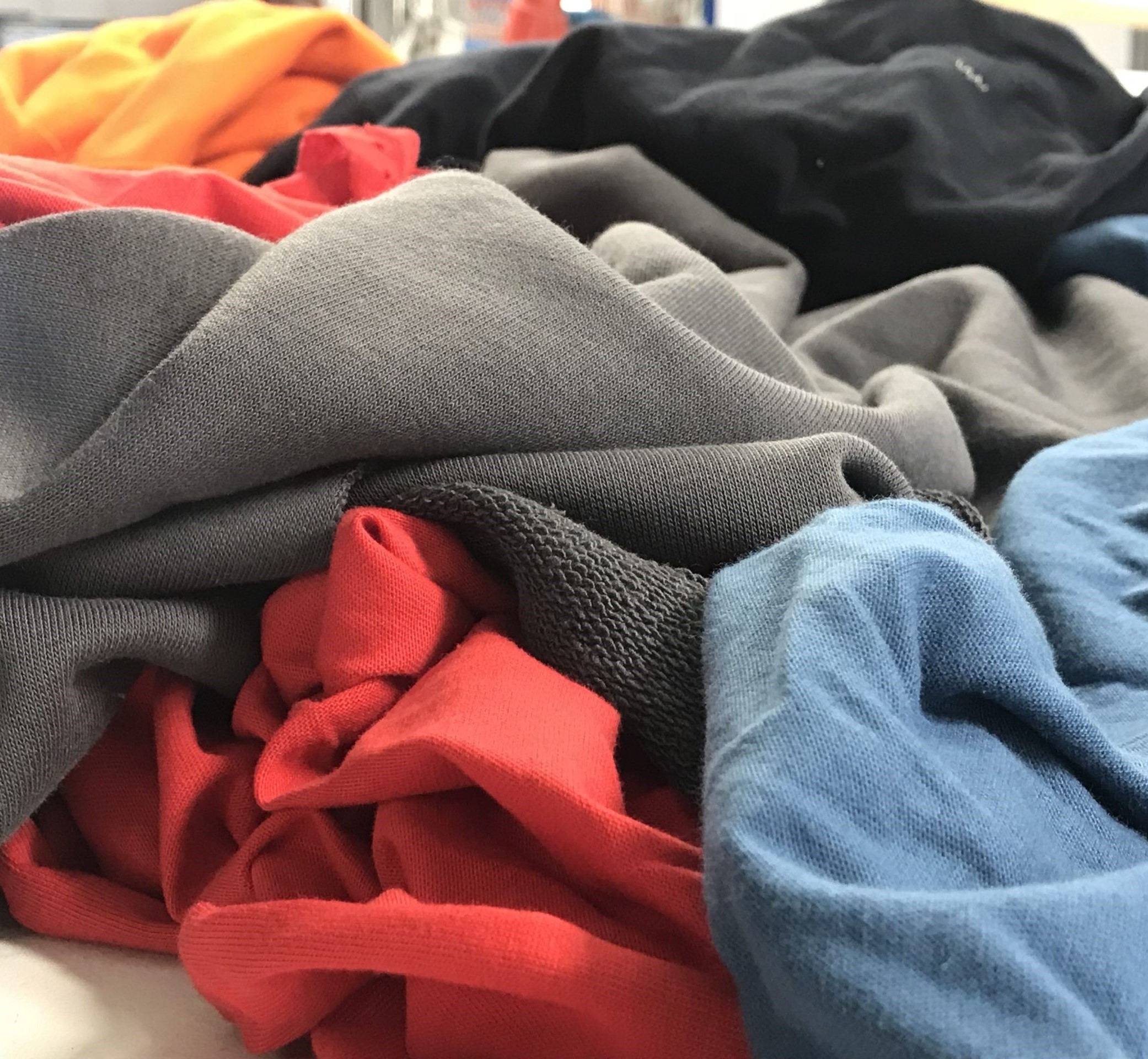
Since 2022 all the scraps of our production find a new destination of use. Recovering scraps involves a selection process that sorts by weight, color, and composition and ends with a garnet phase that transforms the scraps into fibrous material to be used in the production of goods of diverse industrial sectors: for example, car mats, sound-absorbing panels, cleaning cloths, and more.
Thanks to this first step towards greater sustainability of production, we can avoid the disposal of textile waste in landfills or the use of incinerators. Collecting and recycling our garments is only the first step towards our greater goal.
Detail recovered in the year 2024:
Italy Kg 18,020
Tunisia Kg 53,447
In progress
Carbon Footprint
Our first data collection dates back to 2022, when we conducted an initial analysis of our corporate emission sources, verified by a globally accredited third-party organization (SGS) in compliance with the UNI EN ISO 14064-1:2019 standard.
In the following year, we updated our organizational boundaries by including our commercial branch IGT (International Gulf Trading) in Abu Dhabi.
In 2024, our reporting stands out for a more comprehensive and methodologically robust carbon footprint assessment, made possible by continuous improvements in the collection of primary data.
For further information, please contact: mail@dececco.net